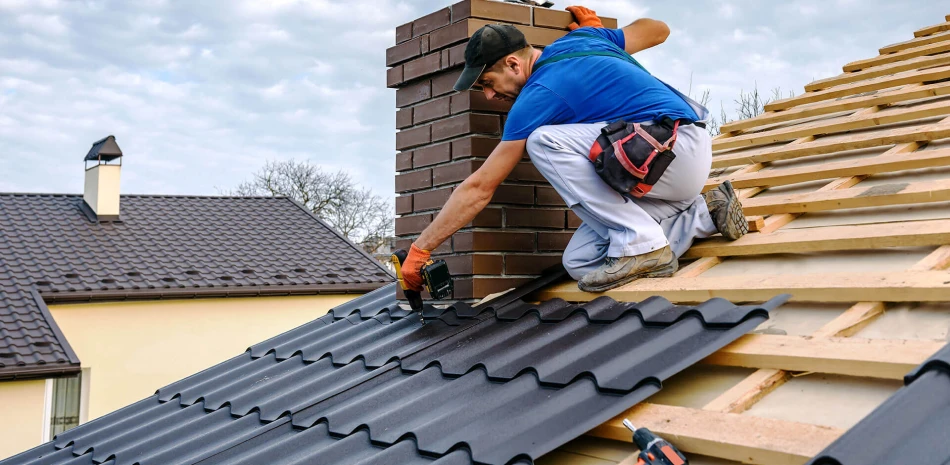
What to Do Immediately After Storm Damage
The first 24 to 48 hours after a storm determine how smoothly your insurance claim will proceed. Before re-entering your home, check for visible structural hazards such as sagging ceilings, compromised rooflines, or standing water. If you smell gas or suspect electrical damage, do not enter until utility providers confirm safety. Once inside, prioritize documenting every instance of damage before beginning any cleanup.
Take clear, high-resolution photographs and videos from multiple angles, capturing close-up views of individual damage points and wide shots that show the full scope. Include time-stamped images if your phone supports that feature. Photograph water stains on ceilings, cracked windows, damaged siding, displaced shingles, and any compromised interior finishes. In Greenville, where spring and summer storms can bring both wind and heavy rain, separating wind damage from water intrusion is critical for your claim, so document the source and path of any water entry.
Contact your insurance company within 24 hours. Most policies require prompt notification, and delays can complicate your claim. Ask for your claim number immediately and write down the adjuster’s name and contact information. If the damage allows rain or wind to enter your home, perform temporary emergency mitigation such as tarping the roof or boarding broken windows. Save all receipts for materials and labor; these costs are often reimbursable. Do not make permanent repairs until the adjuster has inspected the damage, but do take reasonable steps to prevent further loss.
Know Your Coverage Before Filing
Understanding your homeowner’s insurance policy before filing a claim prevents costly surprises and ensures you ask for the right coverage. Start by locating your policy’s Declarations page, which lists your coverage limits, deductibles, and specific endorsements. Your deductible is the amount you pay out of pocket before insurance coverage begins; storm deductibles may differ from standard deductibles and are sometimes calculated as a percentage of your home’s insured value rather than a flat dollar amount.
Review your coverage limits for dwelling protection, personal property, and additional living expenses. Dwelling coverage pays to repair or rebuild your home’s structure, while personal property coverage addresses damaged belongings. If storm damage renders your home uninhabitable, additional living expenses coverage reimburses temporary housing costs. Pay close attention to exclusions, particularly the difference between wind and flood damage. Standard homeowner policies cover wind-driven rain and wind damage but exclude flooding caused by rising water or storm surge, which requires separate flood insurance.
In Greenville, where intense thunderstorms frequently produce both high winds and localized flooding, this distinction matters. If water entered through a wind-damaged roof, that is typically covered. If water came through doors or windows due to rising groundwater, it may not be. Read your policy’s definitions section carefully, and if anything is unclear, call your insurance agent before filing. Knowing your coverage limits helps you set realistic expectations and avoid the frustration of discovering gaps after the adjuster’s visit.
How to File and Track Your Claim
Filing your claim begins with contacting your insurance company by phone, through their mobile app, or via their website. Provide your policy number, a brief description of the damage, and the date and time the storm occurred. The insurer will assign a claim number and schedule an adjuster to inspect your property. Write down every detail: claim number, adjuster name, scheduled inspection date, and direct contact information. This record becomes essential if you need to follow up or escalate issues later.
The adjuster’s role is to assess the damage, determine covered losses, and estimate repair costs. Prepare for the inspection by organizing your documentation: photos, videos, receipts for emergency repairs, and a written list of damaged items and areas. Walk the adjuster through your home, pointing out every instance of damage. Do not assume they will catch everything; adjusters often handle multiple claims simultaneously, especially during Greenville’s active storm season from April through September when severe weather and adjuster backlogs are common. If the adjuster misses something during the visit, you can request a re-inspection, but addressing everything upfront saves time.
After the inspection, the adjuster will submit a report to your insurer, who will issue a damage estimate and settlement offer. Review this estimate carefully. Compare it against independent contractor estimates if possible. If the settlement seems insufficient, you have the right to dispute it by providing additional documentation, repair quotes, or expert assessments. Keep detailed notes of every conversation with your insurer, including dates, times, names, and summaries of what was discussed. Follow up in writing via email to create a paper trail. Most states require insurers to respond to claims within specific timeframes; if your claim stalls, politely reference those deadlines and ask for a status update. Persistence and organization are your strongest tools throughout the process.
Gather Evidence to Support Your Claim
Strong documentation transforms a disputed claim into a successful settlement. Begin with before-and-after photographs. If you lack recent pre-storm photos of your home’s exterior and interior, search old phone albums, real estate listings, or social media posts. These images establish your home’s condition prior to the storm and prove that damage is new, not pre-existing. After the storm, photograph every damaged area from multiple angles: wide shots for context and close-ups for detail. Capture damaged roofing, siding, gutters, windows, interior ceilings, walls, and flooring. Time-stamp your photos if possible, or note the date and time manually in a spreadsheet.
Maintain a written inventory of damaged personal property, including approximate purchase dates and values. Receipts strengthen this inventory significantly; if you lack receipts, bank or credit card statements showing purchases can serve as proof. For high-value items such as electronics or appliances, include serial numbers and model information. Retain all receipts related to emergency repairs, temporary housing, and mitigation efforts like tarping or water extraction. Insurers typically reimburse reasonable emergency expenses, but only if you can document them.
Obtain written repair estimates from licensed contractors. Multiple estimates provide leverage if the adjuster’s estimate is lower than actual repair costs. In Greenville, where sudden summer storms can wash away visible evidence within days, acting quickly matters. Rain can obscure roof damage, and humidity can complicate the assessment of water intrusion. An independent professional assessment, especially for roofing or structural issues, adds credibility to your claim. Keep copies of all written communication with your insurer, including emails and claim submissions. This paper trail protects you if disputes arise and provides a clear record of your diligence throughout the process.
When to Call in Professional Help
Navigating the home insurance claim process after storm damage becomes significantly easier when you work with experienced restoration and remodeling professionals. If your storm damage is extensive, involves structural concerns, or affects critical building systems such as roofing, you benefit from bringing in licensed contractors early in the process. Restoration specialists assess damage thoroughly, identify issues that homeowners might overlook, and provide detailed documentation that strengthens your claim. They understand what insurance adjusters look for and can present evidence in the format adjusters expect.
Professional contractors also communicate directly with insurance adjusters, often accompanying them during property inspections to ensure nothing is missed. When disputes arise over repair costs or the scope of damage, contractors provide independent estimates and technical expertise that support your position. In Greenville, where roofing contractors and home remodelers are familiar with regional storm patterns and typical insurance responses, local professionals bring an added advantage. They know how wind-driven rain interacts with local architecture and can explain damage causation clearly to adjusters unfamiliar with the area.
Beyond documentation and advocacy, restoration professionals manage the actual repair process. They coordinate timelines, handle permitting, source materials, and ensure work meets building codes and insurance requirements. This removes the burden from you during an already stressful time. For homeowners dealing with complex damage involving multiple building systems such as roof repair, water damage restoration, drywall replacement, or structural repairs, working with a full-service contractor simplifies the entire recovery. Rather than coordinating separate specialists for each trade, a single trusted team handles everything from initial assessment through final restoration. This integrated approach shortens timelines, reduces miscommunication, and delivers consistent quality across all repairs. When selecting a contractor, verify licensing, insurance, and references, and choose professionals who demonstrate clear communication and a track record of working successfully with insurance claims.